Table of Contents
ToggleSmart homes are moving beyond novelty gadgets into the everyday backbone of how modern homeowners live. In 2026, the gap between a smart home and a regular house isn’t about fancy gimmicks, it’s about real convenience, energy savings, and peace of mind. Whether you’re retrofitting an older house or building new, understanding current home automation trends helps you make decisions that won’t feel outdated in five years. The technology has matured enough that you don’t need a tech degree to install systems, and prices have dropped so most homeowners can afford genuine smart home solutions.
Key Takeaways
- AI-powered smart home automation learns your habits and reduces energy consumption by 15–20%, making smart home technology a practical investment for modern homeowners.
- Choosing a single platform early—Alexa, Google Home, Apple HomeKit, or Samsung SmartThings—is critical since switching ecosystems later requires replacing devices.
- Smart thermostats and energy-efficient lighting with motion sensors deliver measurable savings within months, making them the priority for any home automation project.
- Matter protocol and Wi-Fi 6 connectivity standards are eliminating device compatibility issues, allowing seamless control across different smart home ecosystems.
- A functional smart home system costs under $1,000 when phased in gradually, starting with an affordable hub ($50–100) and adding one device category at a time.
- Local processing for security cameras and strong password management with two-factor authentication protect your smart home without relying on cloud servers or constant internet connectivity.
AI-Powered Home Automation Systems
Artificial intelligence is the backbone of truly responsive home automation in 2026. Instead of programming rigid if-then rules, modern AI systems learn your habits. Your heating adjusts before you wake up. Lights dim gradually as evening falls. Security systems recognize your car pulling into the driveway.
These systems use machine learning to optimize patterns across months and seasons. Winter behavior differs from summer: weekday routines differ from weekends. AI accounts for all of it without you tweaking settings constantly. Homes using AI-driven automation reduce energy consumption by an average of 15–20% compared to manual or simple scheduling approaches.
When installing smart home systems, you’re primarily choosing a platform: Amazon Alexa, Google Home, Apple HomeKit, or Samsung SmartThings. Each ecosystem has different strengths. Alexa dominates device compatibility but requires an Amazon account. HomeKit prioritizes privacy by processing commands locally on your device rather than sending data to servers. The key is picking one early: switching ecosystems later means replacing devices. Platforms like Legrand Home Automation: Transform offer enterprise-grade solutions that bridge multiple systems, useful if you’re standardizing across a large home renovation.
Energy-Efficient Smart Devices and Sustainability
Sustainability drives hardware design now. Smart thermostats, connected refrigerators, and intelligent lighting systems aren’t selling points, they’re the default. A Nest or Ecobee thermostat learns your temperature preferences and adjusts heating or cooling cycles to minimize wasted runtime. Over a year, homeowners see 10–15% reductions in heating and cooling costs.
Smart lighting matters more than people realize. LED bulbs are standard, but adding motion sensors and daylight harvesting (adjusting brightness based on natural light) cuts lighting energy by 30–40% in spaces like kitchens, bathrooms, and hallways. Pair them with a dimmer-capable smart hub, and you’re not just saving energy, you’re extending bulb life because they’re never running at full brightness unnecessarily.
Water monitoring is the emerging frontier. Smart shower heads, leak detectors, and sprinkler controllers flag inefficiencies before they become expensive problems. A dripping toilet wastes 200+ gallons daily: catching it via a water sensor saves money and resources. When budgeting smart home projects, prioritize thermostats and lighting first, they deliver measurable savings within months. According to Good Housekeeping, tested smart home devices consistently achieve the claimed efficiency gains when properly installed.
Voice Control and Natural Language Integration
Voice commands have moved beyond gimmick to genuinely useful. In 2026, saying “Alexa, I’m leaving” and having your home lock doors, arm security, turn off lights, and adjust the thermostat is the expectation, not a novelty.
Natural language processing is the engine. Instead of barking robot-specific commands, you speak conversationally: “It’s getting hot” triggers cooling: “I’m heading to bed” runs your nighttime routine. Systems now understand context, “turn up the heat in the bedroom” knows which zone you’re referencing without you specifying “bedroom zone thermostat.”
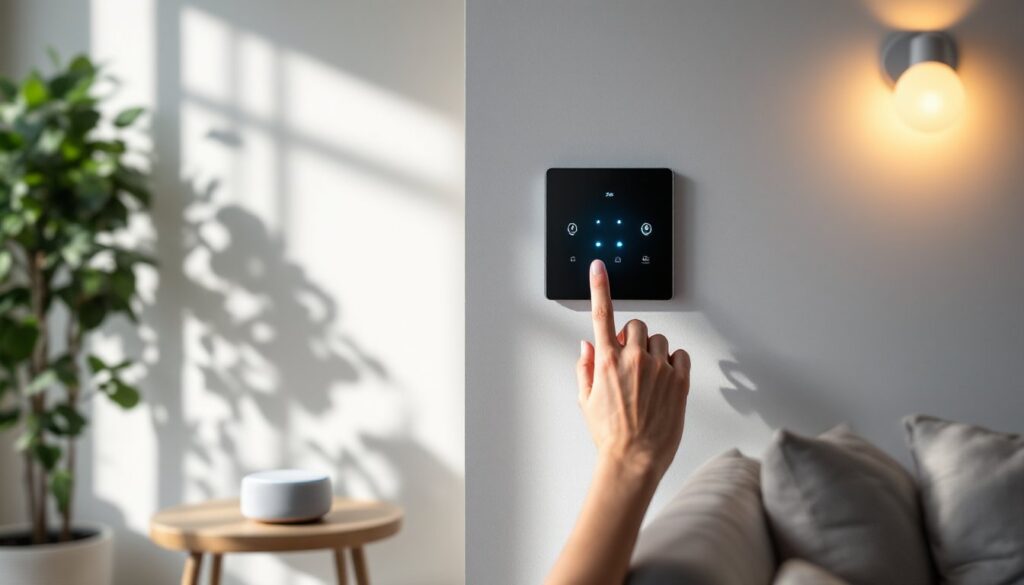
Microphones are getting smarter too. Newer models reduce background noise, so your voice assistant hears you over running water or appliances. Privacy concerns are valid: if you’re uncomfortable with a constantly listening device, look for units with local processing or physical mute buttons that visibly disconnect the mic. Tom’s Guide regularly tests smart speakers and notes which models offer the best privacy controls. Smart home button setups offer an alternative if voice isn’t your style, a smart home button lets you trigger scenes with a physical press, eliminating voice concerns entirely.
Enhanced Home Security and Privacy Features
Security integration goes beyond cameras now. Smart locks, motion sensors, contact sensors on doors and windows, and integrated alarm systems talk to each other. A motion alert at 2 AM triggers exterior lights and sends you a phone notification with video footage.
Local processing is the 2026 trend. Instead of sending video to cloud servers, cameras analyze footage on-device. Faces are recognized locally: only alerts are sent to your phone. This cuts latency (your system responds faster) and protects privacy by keeping sensitive footage off the internet. HomeKit cameras and some Nest models support this: verify it’s enabled in settings.
Geofencing, using your phone’s location to trigger actions, feels convenient but requires thought. When you leave, the system can unlock remote door locks or disarm systems. The trade-off: your home automation system needs to know where you are. If that bothers you, stick with manual triggers or voice commands. Install a smart home motion sensor in entry points: they’re cheaper than door locks and provide security without location tracking. When securing a smart home, use unique, strong passwords, enable two-factor authentication on all accounts, and update firmware regularly, most breaches happen through old, unpatched devices.
Wireless Connectivity Standards and Interoperability
Matter protocol launched in late 2022 and is becoming the glue holding smart homes together. Instead of every device needing its own app and cloud connection, Matter-certified devices work across ecosystems. An Amazon Alexa user can control a device certified for Apple HomeKit without compromises.
Wi-Fi 6 (802.11ax) and Wi-Fi 6E (extending into 6 GHz bands) provide the bandwidth. Older Wi-Fi 5 networks struggle when 20+ devices connect simultaneously: Wi-Fi 6 handles density without lag. If your home is larger than 2,500 square feet, a mesh Wi-Fi system (not just a single router) prevents dead zones where devices lose connection.
Bluetooth Low Energy (BLE) and Zigbee handle short-range communication between devices, reducing power drain compared to Wi-Fi. A Zigbee hub (usually part of a smart home platform) coordinates lights, sensors, and switches without relying on your internet. If your broadband goes down, local automations continue working. When upgrading, check that new devices support Matter or your chosen ecosystem. Buying random smart gadgets without considering compatibility creates frustration and wasted money. A home automation tablet serves as a central hub and backup control point if your primary platform goes offline.
Affordable Smart Home Solutions for Homeowners
The cost barrier has evaporated. Basic smart bulbs run $10–20: smart switches are $30–60: thermostats are $100–250. A functional whole-home system can be installed for under $1,000 if you’re patient and willing to phase in devices.
Start small. Pick one ecosystem, Amazon, Google, or Apple, and buy a hub (Echo, Nest Hub, or HomePod Mini are $50–100). Then add one category: either lighting, climate control, or security. Get comfortable with one set of devices before expanding. Phase 2 adds another category: phase 3 integrates them. This approach lets you learn without overwhelming yourself and spreads costs across months.
Budget-friendly options exist without sacrificing function. Wyze makes solid cameras, switches, and plugs at entry-level prices. IKEA’s Tradfri lights and switches are affordable and Matter-compatible. Chamberlain’s garage door openers integrate with all major platforms. Reading reviews on Digital Trends helps identify which budget brands actually deliver. Installing a smart home electrical panel isn’t a beginner DIY task, that requires a licensed electrician, but most other smart devices install in under an hour with a screwdriver and smartphone app. Install home automation shades on existing windows without rewiring: motorized shade kits mount to existing frames and connect wirelessly to your hub.
Conclusion
Smart home technology in 2026 is practical, affordable, and genuinely useful. The days of treating it as a luxury are gone. Start by identifying one pain point, forgotten lights, energy waste, or security concern, and solve it with smart devices. Build from there, stay within one ecosystem initially, and upgrade as your comfort and budget allow. The payoff is a home that works for you, not against you.