Table of Contents
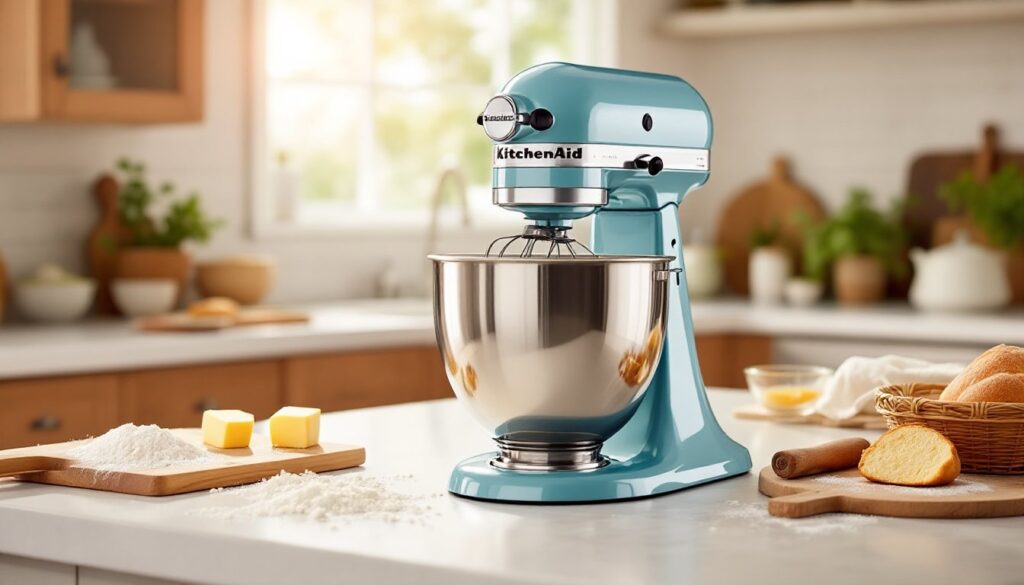
ToggleWhether you’re a weeknight baker trying to keep up with family requests or someone who loves experimenting with dough and batter, a KitchenAid 4.5 quart mixer sits at the sweet spot between compact countertop appliance and serious kitchen workhorse. Unlike smaller mixers that max out on cookie dough, this size handles bread dough, cake batter, whipped cream, and pasta in a single batch without demanding the space of an industrial-grade machine. It’s the mixer that actually gets used because it’s powerful enough to matter but doesn’t hog your counter like a business-kitchen fixture. This guide covers what you need to know to pick the right model, use it effectively, and keep it running for decades.
Key Takeaways
- A KitchenAid mixer 4.5 quart offers the ideal balance of capacity and countertop space, handling bread dough, cakes, and whipped items without requiring the footprint of commercial-sized machines.
- The 275-watt motor and stainless steel bowl with flat mixing surface deliver consistent performance across different tasks, preventing unmixed pockets and producing better-developed gluten structure and texture.
- A 4.5 quart mixer handles a standard artisan bread recipe, double-layer cakes, and two dozen cookies in single batches, saving 7–12 minutes per mixing session compared to hand mixing.
- Universal attachment compatibility allows you to expand functionality with optional pasta rollers, food grinders, and other accessories, turning your mixer into a multi-purpose kitchen station.
- Proper setup on a stable counter, starting at low speeds, and simple maintenance—primarily dishwasher-safe bowl and attachment cleaning—ensures decades of reliable performance without complex repairs.
What Makes the 4.5 Quart Size the Ideal Kitchen Workhorse
The 4.5 quart capacity sits in the Goldilocks zone for home kitchens. It’s large enough to handle a standard bread recipe (roughly 4 pounds of dough), two dozen cookies, or a full cake with room to spare, but it won’t demand a dedicated appliance garage like a 6-quart commercial model.
Compare this to smaller 3-quart mixers, which struggle when you’re doubling a recipe or making dough that needs serious kneading. At the same time, the 4.5 size uses less counter real estate and consumes less energy than 5 or 6-quart models. Most home bakers find they rarely need more, and the smaller footprint means you’ll actually leave it on your counter instead of tucking it away where it becomes invisible.
The capacity also translates directly to mixing effectiveness. A 4.5 quart bowl gives the flat beater, dough hook, and wire whip room to move ingredients around without leaving unmixed pockets or requiring you to stop and scrape down the sides constantly. You get better texture in your final product, silkier batter, better-developed gluten structure in dough, and more evenly whipped cream, because the ingredient-to-space ratio actually allows the attachments to do their job.
For households with 4–6 people, or anyone who bakes more than once a week, the 4.5 quart becomes a genuine time-saver. You’re not standing there manually mixing, and you’re not fighting with a machine that’s underpowered for the task.
Key Features That Set This Model Apart
Motor Power and Mixing Performance
A robust motor is what separates a mixer that merely turns from one that actually mixes. The 4.5 quart KitchenAid typically features a 275-watt motor (specs vary by model year), which delivers smooth, consistent power across different mixing speeds without bogging down when dough gets heavy or whipping cream requires sustained effort.
That power matters when you’re working with stiff dough, the kind that requires 8–10 minutes of kneading to develop gluten properly. A weak motor will overheat or stall: a well-designed one handles it effortlessly. The speed selector usually ranges from 1 to 10, so you can start slow (to avoid flour clouds when you first combine dry ingredients) and move to a faster setting once ingredients are integrated.
Mixing performance also depends on the bowl coating and shape. Most models use a stainless steel bowl with a flat mixing surface, not a sloped bottom, which ensures the flat beater and dough hook engage all parts of the batch evenly. The bowl tilts or lifts away from the head for easy access without spilling, a seemingly small feature that saves frustration when you need to stop and adjust something mid-mix.
Attachment Compatibility and Versatility
A mixer is only as versatile as its attachments, and the 4.5 quart KitchenAid supports the full standard set: a flat beater for general mixing, a dough hook for bread and pizza doughs, and a wire whip for whipping cream, egg whites, and meringues.
One often-overlooked advantage is that the 4.5 quart bowl accepts optional attachments designed for the larger KitchenAid ecosystem. Many homeowners eventually add a pasta roller and cutter attachment ($150–200) or a food grinder ($100–150). These aren’t essential day one, but the option exists if your baking and cooking interests expand. Some models also accommodate a meat grinder or vegetable spiralizer, turning the mixer into a mini food-processing station.
The hub where attachments connect is a universal pinion gear system, a durable, time-tested design that’s been on KitchenAid mixers for decades. Replacements and third-party attachments are still available and affordable, so you’re not locked into a proprietary ecosystem that becomes obsolete in five years.
Practical Uses for Home Bakers and Home Cooks
Let’s get specific: what does a 4.5 quart mixer actually handle in real baking scenarios?
Bread and Dough: A standard artisan bread recipe (around 500 grams, or 1.1 pounds of flour) kneads beautifully in the 4.5 quart bowl using the dough hook. A single batch takes 6–8 minutes of machine time versus 15–20 minutes of hand kneading. You can handle two loaves’ worth of dough in one batch if the recipe scales that way, or make pizza dough for a dinner party without multiple batches.
Cakes and Batters: Whether you’re creaming butter and sugar, folding in flour, or whipping egg-based sponge cake batter, the flat beater and wire whip handle standard cake recipes without complaint. The 4.5 quart capacity means you can make a double-layer cake or cupcakes in a single mix without overflow, and overflow is the silent enemy of a messy countertop.
Whipped Items: Cream, meringue, and egg whites whip to stiff peaks in minutes. The wire whip incorporates air efficiently, and the open bowl design lets you monitor texture without stopping the mixer. That’s crucial when you’re aiming for soft peaks versus stiff peaks and can’t afford to over-whip.
Recent appliance reviews on kitchen stand mixers highlight how models in this size category handle holiday baking marathons, multiple batches of cookies, pie fillings, and whipped cream for a crowd, without fatigue or overheating.
Bonus Uses: Pasta dough, cookie dough (even stiff sugar cookie dough), and homemade ice cream bases all benefit from mechanical mixing. Some people use their mixer to prepare pet food or grind dried herbs into powder. The versatility is limited only by the attachments and your imagination.
Setup, Maintenance, and Care Tips
Out of the Box: When you first get your mixer, unpack it carefully and check all parts are included: the bowl, flat beater, dough hook, wire whip, splash guard (if applicable), and power cord. The motor head sits on top of the base: some models require you to secure it with a small clip or collar, consult the manual, as this detail prevents the head from separating mid-use.
Place the mixer on a stable, level surface away from the edge of your counter. These machines vibrate slightly during operation, and you don’t want it creeping toward a drop-off. The footprint is usually around 8 inches by 10 inches, so a typical kitchen counter with 2–3 feet of open space is sufficient.
Bowl Preparation: Always ensure the stainless steel bowl is clean and dry before adding ingredients. A damp bowl can affect the final texture, especially when whipping, because air incorporation depends partly on friction between the bowl and the ingredient. Warm the bowl slightly (run warm water over it, then dry thoroughly) before mixing heavy bread dough if your kitchen is cold: this speeds up mixing and gives better fermentation results.
During Use: Start at speed 1 or 2 when combining dry ingredients or initially blending wet and dry mixes to avoid sending flour clouds around your kitchen. Once ingredients are integrated, increase speed as the recipe directs. Listen to the motor: if it sounds strained or the mixing seems sluggish, stop and check for overloading or a clogged attachment.
Cleaning and Storage: Unplug the mixer before cleaning. The bowl, beater, hook, and whip are generally dishwasher-safe (check your manual), which cuts post-baking cleanup time significantly. The motor head and base should never go in water, wipe them with a damp cloth and dry immediately. Store attachments in a small bin or bag near the mixer so they’re always accessible.
Resources like The Kitchn offer practical kitchen organization ideas that include dedicated zones for your stand mixer and its accessories, making it easy to grab and go.
Maintenance: KitchenAid mixers are built to last. The only regular maintenance is checking that all attachments are clean and stored properly, and occasionally wiping down the exterior. The motor and gears are sealed: you don’t oil or adjust anything as an owner. If something stops working after years of use, replacement parts (motor assemblies, beater shafts, power cords) are available and relatively affordable compared to buying a new unit.
Conclusion
The KitchenAid 4.5 quart mixer bridges the gap between casual baking and serious home cooking without compromise. It’s powerful enough to handle bread dough, versatile enough to whip cream or grind meat with optional attachments, and compact enough to earn its spot on your counter permanently. If you bake regularly or cook for a family, this size delivers genuine time savings and noticeably better results. Choose one with realistic expectations, it’s a tool that demands proper technique and maintenance, not a magical appliance, and you’ll have a dependable kitchen companion for decades.