
Table of Contents
ToggleDeviled eggs are a kitchen staple, whether you’re prepping them for a potluck, holiday gathering, or just stocking your fridge with a protein-packed snack. But once you’ve whipped up that creamy filling and piped it onto the egg white halves, you’ve got a limited window before they need to be eaten or tossed. Understanding how long deviled eggs stay fresh is essential for food safety and reducing waste. The short answer: deviled eggs typically last 3 to 4 days in the refrigerator, though this depends on several key factors. This guide walks you through proper storage practices, what affects shelf life, and how to tell when your deviled eggs have passed their prime.
Key Takeaways
- Deviled eggs typically last 3 to 4 days in the refrigerator when stored at 40°F (4°C) or below, though assembled eggs degrade faster than separate components.
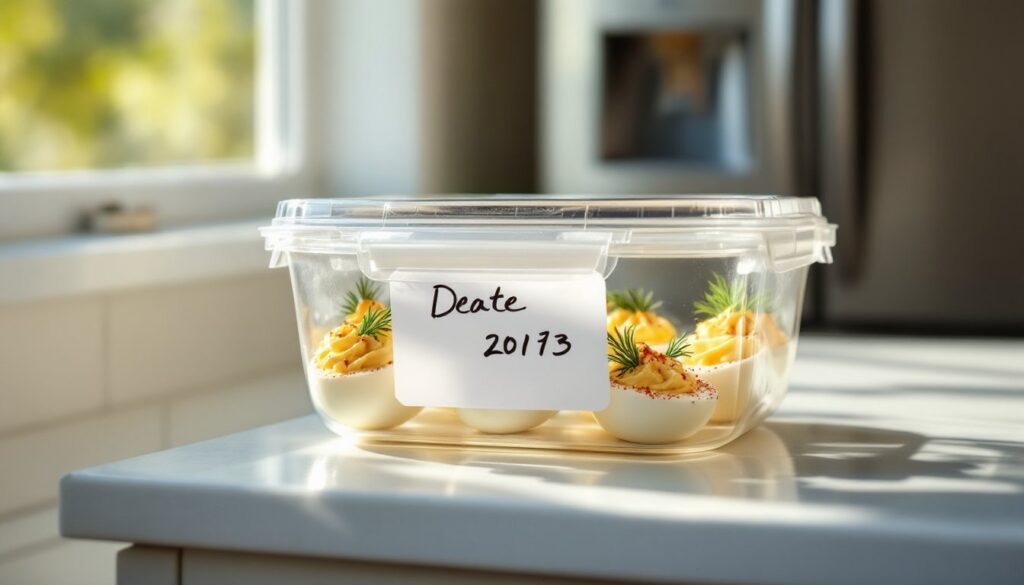
- Store deviled eggs in an airtight container on a middle shelf away from the door, and always label with the date to track freshness and prevent foodborne illness.
- Mayonnaise-based fillings are the primary limiting factor for shelf life; keep egg whites and filling separate if you need them to last longer (5 days and 4 days respectively).
- Trust your nose first: fresh deviled eggs smell mildly of egg and mayo, while any sour, sulfurous, or off-odors indicate spoilage and the eggs should be discarded immediately.
- For events or gatherings, assemble deviled eggs just a few hours before serving rather than the day before, and keep them on ice if they’ll be left out at room temperature for more than 2 hours.
- Fresh herbs, bacon bits, and other delicate toppings should be added just before serving to prevent wilting and moisture absorption during storage.
Storage Timeline: How Many Days Your Deviled Eggs Stay Fresh
Most deviled eggs remain safe to eat for 3 to 4 days when stored correctly in the refrigerator at 40°F (4°C) or colder. This timeline assumes your eggs were properly cooked, cooled, and prepared with standard ingredients like mayonnaise-based filling.
Assembled deviled eggs, where the filling is already piped onto the whites, should be eaten sooner than unassembled components. Once the filling sits on the cooked egg white, moisture transfer begins, and the texture starts degrading after day 2 or 3. If you need them to last longer, consider storing the filling separately in an airtight container (up to 4 days) and the cooked egg white halves in a sealed container (up to 5 days), then assemble just before serving.
If you’re storing hard-boiled eggs before deviling them, unadorned cooked eggs last up to 7 days in the refrigerator. This extra time buys you flexibility, you can prep the yolks and filling days in advance and assemble closer to when you need them.
Key Factors That Affect Deviled Egg Shelf Life
Ingredients and Preparation Method
The filling mixture is the biggest player in shelf life. Mayonnaise-based fillings dominate deviled egg recipes, and mayo is why your eggs have a 3- to 4-day window rather than weeks. Once mayo mixes with acidic ingredients (like mustard, vinegar, or lemon juice), it’s more susceptible to spoilage. Greek yogurt or sour cream substitutes may alter texture and, sometimes, longevity, test your specific recipe in advance if shelf life matters for your event.
Additives matter too. Bacon bits, fresh herbs, and chopped pickles introduce their own spoilage risks. If you’re adding delicate toppings like fresh dill or chives, save those for assembly day. Spices, smoked paprika, and hot sauce are shelf-life-neutral.
How you prepare the filling also counts. If you blend or whip the yolks and mayo, you’re incorporating air, which can speed oxidation and slight flavor changes. A smooth, hand-mixed filling tends to hold up better over a few days.
Refrigerator Temperature and Conditions
Keep your fridge at a steady 40°F (4°C) or below, this is the USDA standard for food safety. Fluctuating temps, like those from opening and closing the door repeatedly or a fridge running warm, shorten shelf life significantly.
Stora deviled eggs in an airtight container rather than on an open plate covered with plastic wrap. Exposure to air and moisture from the fridge promotes bacterial growth and causes the egg whites to dry out or develop off-odors. A shallow glass or plastic container with a tight-sealing lid works best. Keep them away from the door, where temperatures vary, and on a middle shelf where conditions are most stable.
Humidity levels matter too. If your fridge runs very dry, the egg whites can shrivel. If it’s humid, condensation can pool on the container lid, dripping back onto the eggs and accelerating spoilage.
Best Practices for Storing Deviled Eggs at Home
Step 1: Cool the eggs completely. After boiling, place eggs in an ice bath for at least 5 minutes. Never transfer hot or warm eggs to the fridge, the heat raises the internal fridge temperature and risks bacterial growth on other foods.
Step 2: Peel and halve at the right time. Peel eggs just before you plan to cook the yolks and make the filling. Leaving peeled eggs exposed to air, even in the fridge, starts drying them out within hours.
Step 3: Use an airtight container. Transfer deviled eggs to a shallow glass or BPA-free plastic container with a secure, airtight lid. Avoid storing them on a regular plate under plastic wrap, too much air exposure.
Step 4: Label with the date. Use a permanent marker to write the date you assembled the eggs directly on the container or a label. This is a simple step that prevents guessing later.
Step 5: Store on a middle shelf. Place the container away from the door and toward the back of the middle shelf, where temperature is most consistent.
Step 6: Keep them separate from strong-smelling foods. Eggs absorb odors easily. Store away from onions, fish, and aged cheeses.
Pro tip: If you’re making deviled eggs more than a day ahead, store the filling and egg whites separately, then assemble a few hours before serving. The filling keeps safely for 4 days, and white halves last 5 days when stored apart.
Signs Your Deviled Eggs Have Gone Bad
Smell is your best indicator. Fresh deviled eggs have a mild egg and mayo aroma. Any sour, sulfurous (rotten egg), or off smell means they’ve spoiled, toss them immediately. Don’t taste-test if something seems off.
Visual changes: Look for sliminess on the egg white surface, discoloration (yellowing or dark spots on whites), or mold on the filling. The filling should be creamy and smooth, not separated, curdled, or weeping liquid.
Texture clues: If the egg whites feel mushy or slimy when you touch them (even through a fork), bacteria have taken hold. The filling should never feel grainy or separated, that’s a sign mayo has broken down.
Taste and color shifts: If you’re certain about appearance and smell, a tiny taste can confirm. Off-flavors, bitterness, or a sour tang mean it’s past safe to eat. Filling that’s darker or has a greyish hue around the yolk interior indicates age, that greenish-gray layer is oxidized yolk, usually harmless if just starting but worth noting as a timeline marker.
When in doubt, throw it out. The risk of foodborne illness from spoiled mayo-based dishes isn’t worth it. After day 4, discard leftover deviled eggs rather than gambling.
How to Extend the Life of Your Deviled Eggs
If you need your deviled eggs to last as long as possible, a few tweaks help. Store components separately: keep hard-boiled egg whites in one sealed container and the filling in another, both dated. This approach stretches eggs to 5 days and filling to 4 days, giving you a wider assembly window.
Skip delicate toppings during storage. Bacon bits, fresh herbs, crispy elements, and pickles should be added just before serving. They wilt, soften, or absorb moisture when stored overnight.
Use vinegar or lemon juice in your filling. The acidity of mustard-vinegar blends or lemon in the mayo mixture provides mild antimicrobial benefit and can extend shelf life by a day or two (though the USDA still recommends the 3- to 4-day standard).
Consider freezing as a last resort. You can freeze deviled eggs for up to 3 months, but thawing compromises texture, the mayo separates and the egg whites can become rubbery. Freeze only if you won’t be serving them fresh. Thaw overnight in the fridge, not at room temperature, to minimize bacterial growth.
For parties or events, assemble deviled eggs a few hours before serving, not the day before. They’ll taste fresher and stay safer at room temperature for a shorter window (no more than 2 hours in a warm kitchen). If keeping them out longer, place the serving platter on ice or in a chilled bowl to maintain fridge temps.