Table of Contents
ToggleIf you’re planning a kitchen renovation or simply hanging new upper cabinets, knowing the right depth is essential to getting a functional, balanced design. Upper kitchen cabinets come in standard depths that match industry norms and building codes, but the specifics matter, especially when you’re ordering custom pieces or working in a tight space. This guide walks you through the standard measurements, explains why depth matters, and shows you how to choose what works best for your kitchen layout.
Key Takeaways
- The standard depth for upper kitchen cabinets in North America is 12 inches, offering the ideal balance between storage capacity and workspace functionality.
- Cabinet depth significantly impacts kitchen workflow, visual proportion, and countertop usability—a 12-inch depth leaves roughly 13 inches of clear working space above the counter.
- Before selecting cabinet depth, evaluate your ceiling height, wall obstructions, appliance clearance, and kitchen layout to avoid costly installation mistakes.
- Custom non-standard depths (10 or 15 inches) are available through specialty manufacturers but typically require longer lead times, premium pricing, and professional installation for safe support.
- The right upper cabinet depth creates a balanced, spacious kitchen feel rather than a cramped or awkward-looking space that wastes valuable storage potential.
Standard Upper Cabinet Depth Measurements
The standard depth for upper kitchen cabinets in North America is 12 inches. This measurement refers to the interior depth from the back wall to the front edge of the cabinet face. It’s the measurement you’ll find in most stock cabinet lines and what most contractors default to when building or ordering replacements.
Why 12 inches? It’s a balance. Deep enough to hold standard dinner plates, drinking glasses, and pantry items without wasting too much counter and workspace below. Shallow enough that you don’t lose legroom at the countertop or create an awkward overhead obstruction. This standard emerged decades ago and remains consistent across manufacturers like Shaker, frameless European, and traditional styles.
When you order cabinets, confirm the exact interior depth with your supplier. Some premium or custom builders offer 10-inch or 15-inch options, but these are less common and may carry longer lead times or upcharges. Always verify actual measurements rather than relying on a product name, “standard” can sometimes mean different things regionally or between older and newer stock lines.
Why Cabinet Depth Matters for Your Kitchen
Cabinet depth isn’t just a number on a spec sheet, it shapes how your kitchen functions and feels every day. The wrong depth creates wasted space, poor workflow, or a cramped, cluttered look. Understanding the impact of depth helps you avoid costly mistakes down the road.
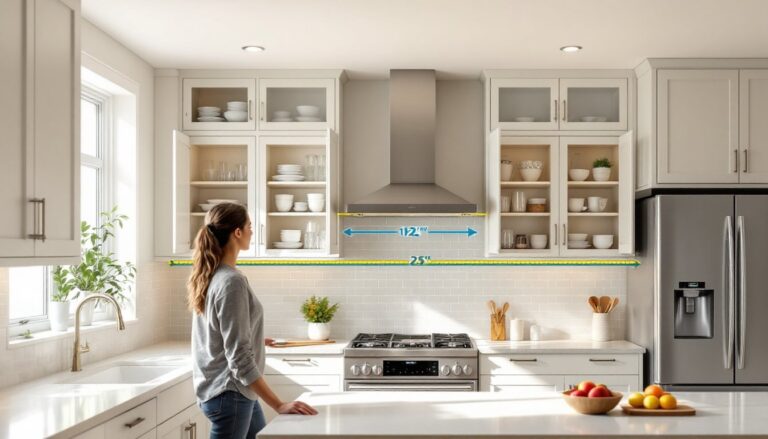
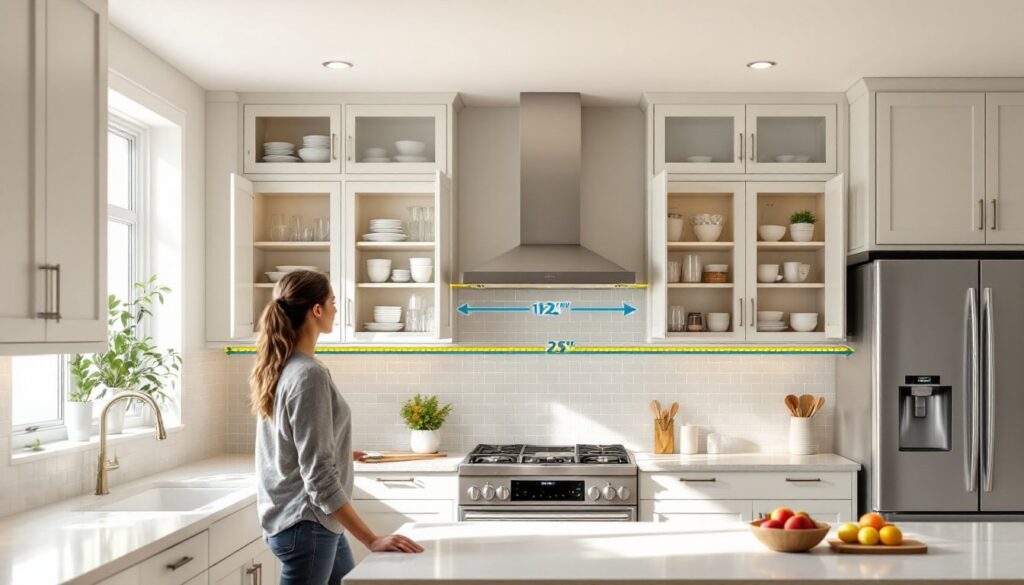
Most kitchens pair upper cabinets with a 25-inch-deep countertop (the standard depth for lower cabinets plus countertop overhang). When upper cabinets sit 12 inches deep above a 25-inch counter, you get a visual proportion that feels right, not too heavy overhead, not too recessed. If you go deeper, the visual weight increases and the workspace below feels compressed. Too shallow, and you sacrifice storage without gaining much.
Depth also affects lighting, ventilation, and appliance placement. A shallower cabinet may clear sightlines better if you have a window above the sink. A deeper cabinet might shadow the countertop or require undercabinet lighting to feel open and usable.
Impact on Countertop Space and Workflow
The relationship between cabinet depth and counter usability is direct and practical. A 12-inch upper cabinet leaves roughly 13 inches of clear space to the face frame before you hit the cabinet bottom, enough for a person’s eye line and for steam or splash from cooktop use without hitting cabinet bottoms. This buffer zone is where you actually work.
In galley kitchens or tight L-shaped layouts, a shallower cabinet (say, 10 inches) can open up the space mentally and practically. Conversely, a deeper cabinet (15 inches) in a large, open kitchen might not feel oppressive and gives you extra cereal boxes, serving bowls, or backup supplies. The workflow question is: How often do you reach for items in upper cabinets, and how much do you need to store? If daily glasses and plates, 12 inches is standard. If you’re storing less-used items or small appliances, you might go deeper.
Factors That Influence Cabinet Depth Selection
Choosing cabinet depth isn’t just about following the standard, your kitchen’s specific layout, appliances, and usage patterns all play a role. Before ordering, evaluate these factors to avoid a mismatch that’s expensive to fix.
Ceiling height is the first check. If your ceilings are 8 feet (standard in most older homes), a 12-inch cabinet with clearance above (typically 15–18 inches to a soffit or to the ceiling) feels balanced. In homes with 9- or 10-foot ceilings, you have more breathing room and can experiment with deeper cabinets without visual strain. If you have a soffit or dropped ceiling, measure the available space from the counter to the obstruction and work backward.
Wall depth and obstructions matter too. Some walls house plumbing (behind the sink), electrical runs, or HVAC ducts. Your cabinet can’t be deeper than the wall cavity allows, typically 5.5 inches for standard 2×6 framing, or 3.5 inches for 2×4 walls (the actual depth is less due to drywall). If your wall is shallower or obstructed, you’re limited to 10 inches or less, which some cabinet suppliers can accommodate.
Appliance clearance is non-negotiable. If you have a microwave above a countertop oven, a range hood, or a tall refrigerator, measure the space and confirm your cabinet depth doesn’t interfere. A 36-inch-wide cabinet mounted 54 inches above a cooktop is standard, but depth can interact with hood placement. Check appliance manuals for required clearances, usually 30 inches minimum from the range surface to the hood’s bottom.
Kitchen Layout and Wall Space
Your overall kitchen layout drives the decision more than any single rule. In a compact galley or small U-shaped kitchen, shallower cabinets create a sense of openness: you’re not crowded by overhead storage. A single cook working alone benefits from quick, easy access to daily-use items, here, 12 inches is the sweet spot. If you’re storing seasonal or bulk items, deeper makes sense if your ceiling height and layout permit it.
Corner cabinets and peninsula layouts have special considerations. U Shaped Kitchens: Transform require cabinets on two or three walls: consistent depth creates visual continuity. On an island or peninsula, where both sides are visible, shallower cabinets may look better proportionally and allow sightlines across the space. Conversely, a single wall of cabinets (galley or one-wall kitchen) can handle deeper units because there’s less visual impact.
If your kitchen features Espresso Color Schemes for darker wood or painted finishes, depth plays into visual weight. Dark cabinets feel heavier: pairing them with standard 12-inch depth in a smaller kitchen is safer than going deeper, which can make the space feel cave-like. In open-concept homes with high ceilings, darker and deeper cabinets are less likely to overwhelm the room.
Building codes rarely specify cabinet depth, but they do govern electrical outlet placement, ventilation, and structural support. Most jurisdictions follow the International Residential Code (IRC), which doesn’t mandate cabinet depth but does require safe clearance and support. If you’re doing a major renovation that includes wall framing, a permit may be required, and the inspector will verify that structural integrity isn’t compromised by deep cabinets or moved studs.
Custom and Non-Standard Depth Options
Stock cabinets come in 12 inches, and that’s what you’ll find in most big-box stores. But if you need something different, custom and semi-custom builders offer flexibility, at a cost.
10-inch cabinets are available through specialty manufacturers and custom shops. They’re ideal for tight kitchens, above open shelving, or when you want maximum visual openness. The downside: less storage, potential for items to tip out, and difficulty fitting standard dishware. Most semi-custom lines (like Kraftmaid or Merillat) charge a premium for non-standard depths, and lead times stretch from 4–6 weeks to 8–12 weeks.
15-inch cabinets and beyond work in larger kitchens with high ceilings. They’re deeper, store more, and make a bold visual statement. Resources like The Kitchn often feature modern kitchens with varied cabinet depths for dramatic effect. But, they’re heavier when fully loaded, require robust mounting hardware and studs for safe support (aim for 16-inch stud spacing and proper fastening with 3-inch wood screws into studs), and can shadow countertops without undercabinet lighting.
When specifying custom depth, work with your cabinet builder or designer to mock up the installation. Measure your wall, ceiling, and appliances. Have the builder create a 3D model or cardboard mockup if the depth is significantly different from standard. This costs a bit upfront but prevents expensive mistakes. Confirm that the cabinet’s weight distribution doesn’t require additional wall support, deeper cabinets with heavier door hardware (soft-close hinges, for example) are heavier than you’d think.
If you’re installing cabinets yourself, precision matters more with non-standard sizes. Use a level to ensure the cabinet hangs straight (not tilted), and locate studs behind the wall using a stud finder before fastening. Shims (thin wood wedges) help adjust height and ensure the cabinet doesn’t rock. Even a few millimeters of tilt can make drawers stick or doors misalign over time.
Conclusion
Standard upper cabinet depth of 12 inches works for nearly every kitchen, it’s proven, widely available, and balances storage with usability. Before you commit to custom depths, audit your space: measure ceiling height, wall depth, appliance placement, and your actual storage needs. When in doubt, stick with the standard: if your layout demands something different, work with a designer or custom builder and verify the fit before ordering. The right depth makes your kitchen feel spacious and functional, not cramped or awkward.