Table of Contents
ToggleRoomba robot vacuums have become a staple in households looking for convenience and hands-free cleaning. But with prices ranging from under $200 to over $1,000, understanding how much a Roomba costs depends on which model you’re considering. This 2026 pricing guide breaks down Roomba’s lineup across all budget tiers, so you can find the right vacuum for your home and wallet. Whether you’re eyeing a basic entry-level model or a premium unit with smart mapping, we’ll walk you through what each price point delivers and which features justify the cost.
Key Takeaways
- Roomba prices range from under $200 for entry-level models to over $1,000 for premium units, with the best value found in the $300–$600 mid-range tier.
- Entry-level Roombas (6-series, $150–$300) offer basic cleaning for small spaces and renters, but lack smart mapping and may take longer to clean cluttered areas.
- Mid-range Roomba models like the 8-series and j7-series ($450–$700) deliver intelligent mapping, obstacle avoidance, and auto-empty docks—ideal for most homeowners.
- Premium 9-series and s9-series Roombas ($800–$1,100) excel at pet hair removal and multi-level homes, but mid-range models deliver 85% of the performance at 60% of the cost.
- Smart features like app control, room mapping, auto-empty docks, and smart home integration significantly impact how much a Roomba costs, so prioritize features matching your home’s needs.
- Seasonal sales and promotions typically offer 20–30% discounts, making it smart to shop during Black Friday or holiday events rather than paying full retail price.
Roomba Pricing Overview
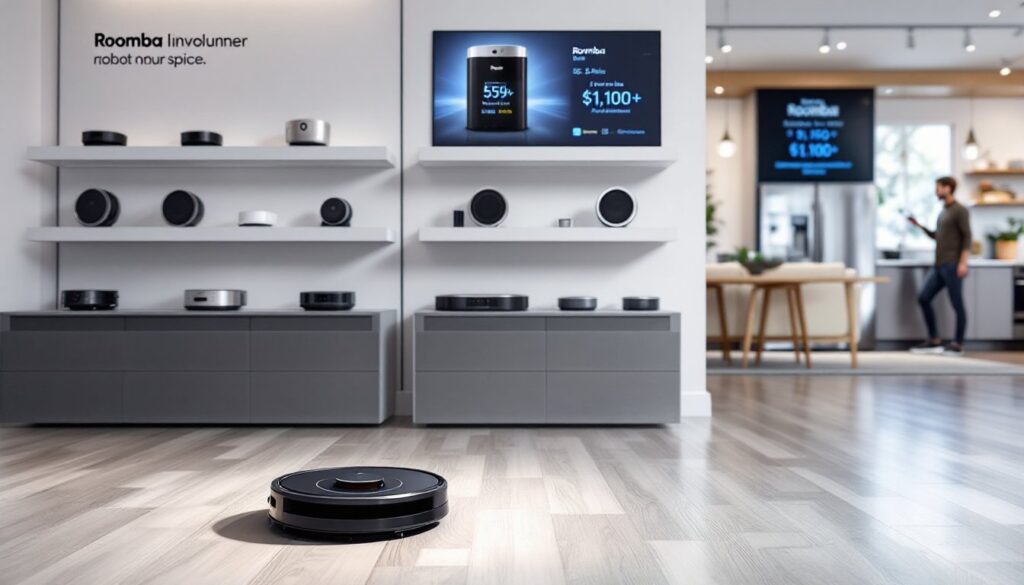
In 2026, Roomba prices span a broad spectrum depending on model generation and capabilities. Entry-level models start around $150–$300, mid-range units land between $400–$700, and premium systems can exceed $1,000. The bulk of Roomba’s popular lineup falls in the $300–$600 range, where most homeowners find the sweet spot between features and affordability.
Roomba’s parent company, iRobot, structures pricing by series. The Roomba 6-series targets budget-conscious buyers, the 8-series appeals to mid-market buyers with advanced navigation, and the 9 and j-series (their latest high-end offerings) include room mapping, auto-empty bins, and multiroom cleanup capabilities. When shopping, factor in seasonal discounts, Black Friday and holiday sales often knock 20–30% off regular prices.
Budget-Friendly Entry-Level Models
Roomba 6-series models, including the Roomba 611 and Roomba 614, typically retail for $150–$250. These stripped-down units offer core vacuum functionality: basic dust bin cleaning, wi-fi connectivity via the iRobot app for scheduling, and a simple three-stage cleaning system. They won’t map your rooms or avoid obstacles with precision, but they handle straightforward floor cleaning on a budget.
The Roomba 639, another entry option, sits at around $250–$300 and adds a slightly larger bin capacity and improved brush design. For renters or those testing whether robot vacuums fit their lifestyle, entry-level Roombas are practical. Just know they follow a random bouncing pattern rather than a systematic mapping route, so cleaning takes longer and coverage can be uneven on cluttered floors.
These models work well for small apartments, single rooms, or as a secondary vacuum. But, they aren’t ideal if you have multiple levels, thick carpet, or pet hair that requires aggressive suction.
Mid-Range Roombas for Most Homeowners
This is where the Roomba value proposition strengthens. The 8-series, including models like the Roomba 880 and Roomba 895, ranges from $450–$650 and introduces intelligent mapping (called iAdapt 2.0), which lets the vacuum navigate systematically rather than randomly bounce around. You’ll also get a larger dustbin, better brush performance, and app-based room selection so you can target specific areas.
The Roomba j7-series (the j7+ and j7) bridges the gap between mid and premium, priced $500–$700. These add obstacle avoidance, the robot actually sees pet waste, charging cables, and toys and steers around them. That’s a game-changer if you have pets or a cluttered home. The j7+ version includes an auto-empty dock that holds multiple cleanings’ worth of debris, reducing hands-on maintenance.
Mid-range models suit most homes: they’re smart enough to navigate efficiently, powerful enough for mixed flooring and moderate pet hair, and affordable enough that you’re not overthinking the purchase. The best robot vacuums. If you’re buying your first Roomba and have a standard house layout, start here.
Premium and High-End Models
At the top end, Roomba’s 9-series and s9-series models command $800–$1,100. The Roomba s9+, the flagship, delivers premium filtration (captures 99.97% of allergens), dual multi-surface rubber brushes optimized for pet hair, and precise room mapping with Keep Out Zones so you can exclude areas like pet bowls or baby play zones. The auto-empty dock is standard, and intelligent room ordering means it cleans nurseries before kitchens, useful if you’re concerned about cross-contamination.
These premium units justify their cost primarily through suction power and navigation precision. If you have multiple dogs, thick carpeting, or a sprawling home, the investment can pay off in longer intervals between deep cleans. Roomba’s high-end models consistently, with users reporting noticeably better performance on pet hair and debris removal.
But, premium pricing doesn’t translate to revolutionary improvements, you’re mostly paying for refining features already present in mid-range models. Unless your home’s layout or cleaning demands are demanding, a mid-range unit delivers 85% of the performance at 60% of the cost.
Factors That Affect Roomba Pricing
Several variables shift where a Roomba lands on the price spectrum:
Model age and availability: Newer models cost more initially, but 6–12 months after launch, prices typically drop as newer successors arrive. A Roomba s9 that cost $950 two years ago might now sell for $700–$800.
Retailer and promotions: Best Buy, Amazon, and iRobot’s own website sometimes offer different prices. Costco and warehouse club memberships occasionally unlock exclusive deals. Always compare before purchasing.
Bundle deals: Bundled packages that include extra filters, brushes, or docking accessories may look cheaper upfront but sometimes represent inflated base prices. Calculate per-component cost to be sure.
Warranty and support: Extended warranties and service plans add cost but may be worth it if you want peace of mind or have a busy household.
Features and Technology
Suction power, brush design, and dust bin capacity directly influence cost. Roombas with stronger motors, larger bins, and specialized brush rollers for pet hair command premium prices. Smart mapping (iAdapt) is a significant jump, adding $100–$200 versus random-bounce models. Obstacle avoidance and pet waste detection are newer technologies that push price higher, especially when combined with auto-empty docks.
Smart Home Integration
Roombas with Alexa compatibility and multiroom integration cost more because they require additional firmware and backend infrastructure. Models that work with Google Home, Apple HomeKit, and third-party platforms like SmartThings add value for homes already invested in voice assistants and automation systems. Basic wi-fi app control is standard across nearly all current models, even budget options. Premium models add predictive scheduling (the vacuum learns your routine) and integration with robot mops for coordinated cleaning, which boosts pricing another $150–$300.